Why Marshlands Matter: The Ecology of Peat, Silt and Waterlogged Soils
A marsh is not a failed field. Walk the edge of a fen on a muggy July morning and you will find buttercups up to your knees, a dragonfly drying its wings on a reed stem, and black, spongy ground that gives underfoot. It looks untidy. It is also one of the hardest-working habitats in Britain.
Marsh ecology turns on one stubborn fact: when water fills the gaps between soil particles, it pushes the air out. Almost everything else — the peat, the stored carbon, the tight nutrient cycles, the particular species that thrive here — follows from that single condition.
When the Ground Cannot Breathe
In a marsh, the water table sits at or near the surface for most of the year. That matters because oxygen moves through water roughly ten thousand times more slowly than it moves through air. Even a few millimetres below the mud surface, sediments are already anoxic, and the usual aerobic decomposers slow to a crawl.
Microbes then work through a queue of chemical substitutes, in order of how much energy each one yields: nitrate first, then manganese and iron oxides, then sulphate. The results are visible if you know what to look for. Iron reduction turns subsoil grey-blue, and where the water table rises and falls through the year, rust-orange mottles bloom along old root channels. Sulphate reduction gives off that rotten-egg smell you release when you turn over black mud with a spade. Soil scientists call the grey, mottled layer a gley, and it is the clearest single sign that you are standing on long-term wet ground.
None of this is a curiosity. It decides which plants can root, which invertebrates can survive, and whether dead plant material rots away or piles up.
Peat: a Slow Archive of Wet Plants
Sedges and reeds die back each autumn. In a dry meadow, bacteria and fungi dismantle that litter within a year or two and return its nutrients to the soil. In a marsh, decay stalls. The same microbes are present, but without oxygen they work slowly and incompletely, so partly broken-down stems, leaves and roots accumulate faster than they disappear.
Over centuries, that accumulation becomes peat — an organic soil, generally defined as one that is mostly plant remains, often more than about 30 per cent organic matter. The build-up rate is glacial: commonly a millimetre or two a year, sometimes less, so a metre of peat can represent many human lifetimes. Draining or extracting it takes an afternoon.
Fen peat and bog peat are not the same thing
Fens are fed by groundwater and surface water that has picked up minerals on its way through the landscape. Their peat is generally richer in calcium and nutrients, and the vegetation is a mix of sedges, rushes, reeds, meadowsweet and brown mosses. Bogs are fed only by rain, which brings almost nothing with it, so they turn acidic and nutrient-poor and become the territory of sphagnum mosses, cotton grass and heather. The two often sit side by side in the same valley: bog peat on the higher, rain-fed ground, fen peat in the wet hollows below.
Carbon Storage in Cold, Wet Conditions
Peat is carbon made solid. Because production outpaces decay, carbon that plants pulled out of the air stays in the ground instead of returning to it. British peatlands are widely recognised as holding more carbon than the country's woodlands, packed into soils that are often only a few metres deep.
Waterlogged ground also produces methane, a potent greenhouse gas, as microbes break down carbon without oxygen. In a functioning marsh, the slow accumulation of peat removes more carbon from the atmosphere over time than the methane releases, which is why intact wetlands are net stores rather than net sources. Drain them and the ledger flips quickly. Air enters the peat, oxygen-loving microbes restart, and carbon that took centuries to lock away is released as carbon dioxide. The ground also shrinks and subsides — which is why drained peat fields often end up sitting below the level of the dykes beside them.
Nutrient Cycles on a Short Leash
Marshes recycle hard. Nutrients released from litter are taken up quickly by sedges, reeds and rushes, which store them in rhizomes and resprout from those reserves the following spring. Phosphorus tends to bind to iron and calcium compounds in the sediment, so it is not freely available. In the anoxic layers, bacteria convert nitrate into nitrogen gas, which escapes to the atmosphere — a genuine loss of nitrogen from the system.
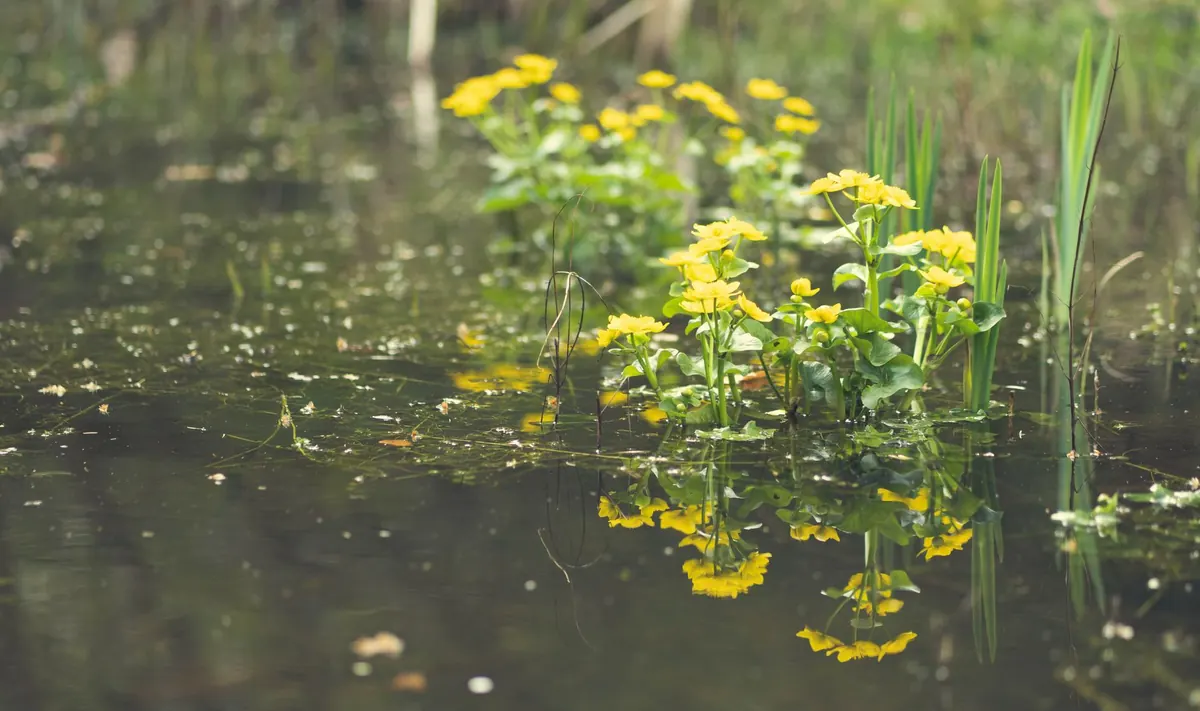
That tightness is exactly why marshes are so sensitive to enrichment. Add nutrient-rich runoff from farmland, sewage or road drainage and the balance tips towards a handful of vigorous species. Nettle, willow and common reed take over, shading out the smaller specialists such as marsh marigold, ragged robin and marsh orchid. A rich fen can lose much of its character within a few seasons of nutrient loading without any obvious change in how wet it is.
Life Built for Wet Feet
Nothing about a marsh is easy for a plant. Roots need oxygen, the mud is unstable, and water levels swing through the year. The species that live here have solved those problems in inventive ways.
- Air channels. Reeds, rushes and sedges grow aerenchyma — spongy tissue threaded with gas spaces — which carries oxygen from the leaves down to roots buried in anoxic mud.
- Hollow stems. Plants such as reedmace and horsetail combine buoyancy, structural strength and a built-in snorkel in one design.
- Timing. Many marsh plants flower and set seed in the drawdown window, when summer evaporation exposes bare mud, completing a life cycle in a few weeks.
- Invertebrates. Bloodworms, rat-tailed maggots and raft spiders all cope with low oxygen; some carry air down with them, others use haemoglobin-rich blood to hold what little oxygen they find.
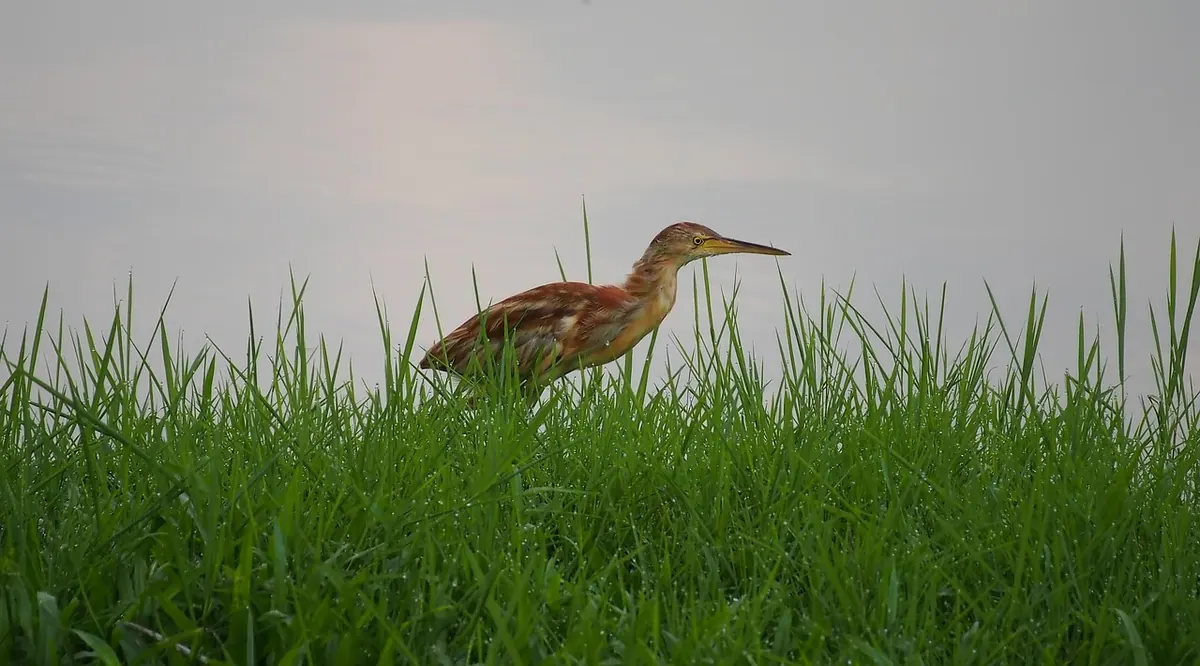
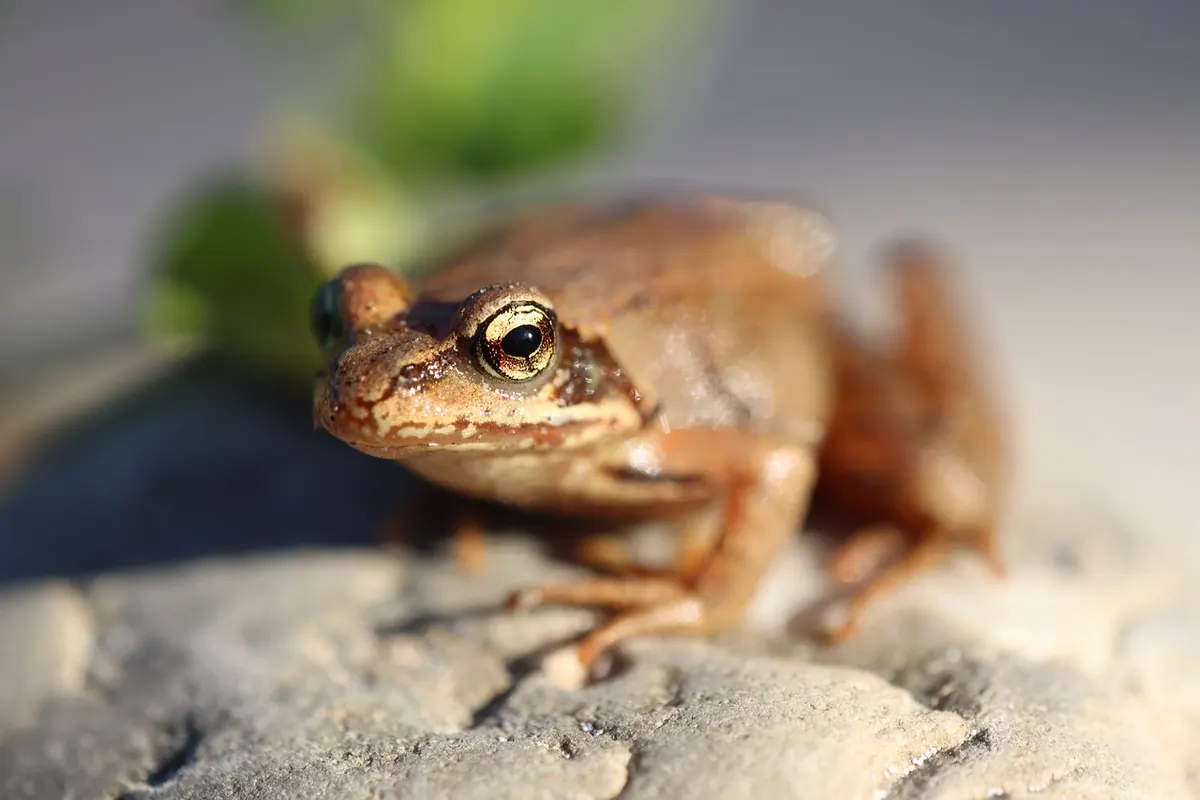
- Vertebrates. Water voles burrow into steep banks, snipe and lapwing nest among tussocks, and bitterns need large, unbroken blocks of reedbed. Amphibians favour shallow pools that dry out in late summer precisely because fish cannot survive there to eat their tadpoles.
Tussocks, pools and the value of mess
Structure matters as much as water. A marsh with hummocks, hollows, shallow pools and patches of open mud holds far more species than a flat wet field. Light grazing or rotational mowing keeps tussocks from turning into scrub while leaving enough tall cover for nesting birds. Leave the uneven ground alone; flatten it and the habitat flattens with it.
Pressures on Wet Ground
Most damage to marshes comes from three directions: taking the water away, adding nutrients, and disturbing the surface. Drainage and abstraction lower the water table, peat oxidises, the ground subsides, and the wetland shrinks. Nutrient runoff shifts the plant community. Peat extraction, heavy trampling and abandonment to scrub finish the job. Drier summers and more erratic rainfall add pressure on top of all of it.
The warning signs are easy to read on a walk: cracked and crumbling peat, algal mats on open water, ditches running dry in July, and a takeover of nettle and willow. Any of those suggests the water balance has changed.
Working With Wet Ground
If you have a damp corner of land, a sodden field edge or a garden that floods each winter, you are holding something worth keeping. A few practical habits go a long way.
- Leave the water where it is. Resist the urge to dig a deep ditch. If drainage already exists, raising the water level slightly does more for wildlife than any planting scheme.
- Keep nutrients out. No fertiliser, muck heaps or soil wash near the wet zone. Nutrient-poor is the whole point.
- Leave tall stems standing over winter. Cut or graze in rotation, in late summer, and never the whole area at once.
- Plant local natives. Sedges, rushes, marsh marigold, ragged robin and purple loosestrife suit wet ground and feed insects.
- Keep a record. Note the plants and animals you see and pass the records to your local wildlife trust or records centre; that evidence helps protect wet sites.
Visit a nearby fen or marsh reserve in different seasons and watch the water level rather than just the flowers. The rule that runs through all of marsh ecology is simple: keep the water in, keep the nutrients out, and leave the mess alone. Peat took centuries to build. Patience is the cheapest tool you have.
Photo: 12019 / Pixabay