Seasonal Marsh Wildlife Checklist: What to Look For Each Month in the UK
A marsh never looks quite the same twice. Water levels rise and fall, reeds push up and die back, and the birds moving through change almost week by week. Keep a monthly checklist and you stop relying on luck. You start knowing what should be about, where to stand, and what to listen for. What follows is a working year in British marshland — lowland reedbed, wet grassland, fen and dyke — with the species and signs worth noting as each month turns.
Winter: December, January and February
Midwinter is for wildfowl and patience. Open water and flooded flashes hold teal, wigeon, shoveler, gadwall and pintail, often in good numbers, and the monthly waterbird counts make this the best time to practise counting rather than ticking. Work slowly along rushy margins for snipe, and remember that jack snipe sit tighter and flush later than their larger cousins. Woodcock turn up in wet alder and willow edges after hard frosts.
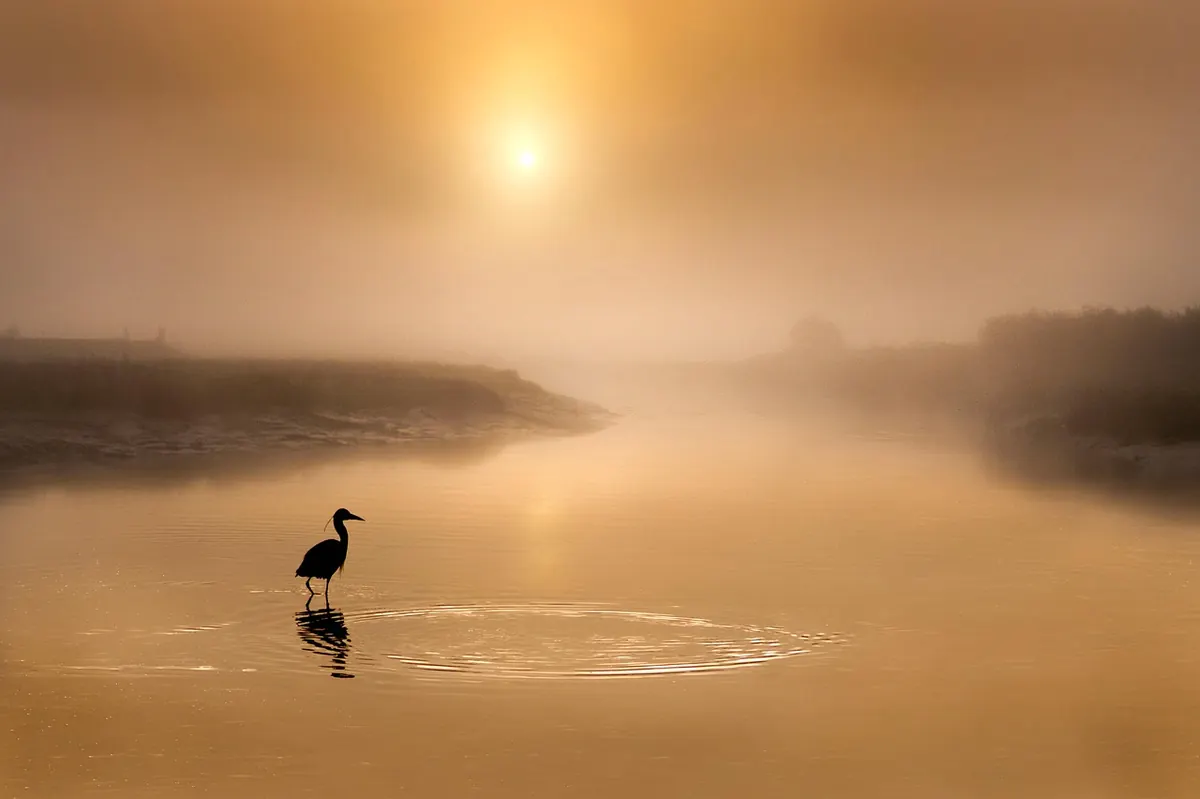
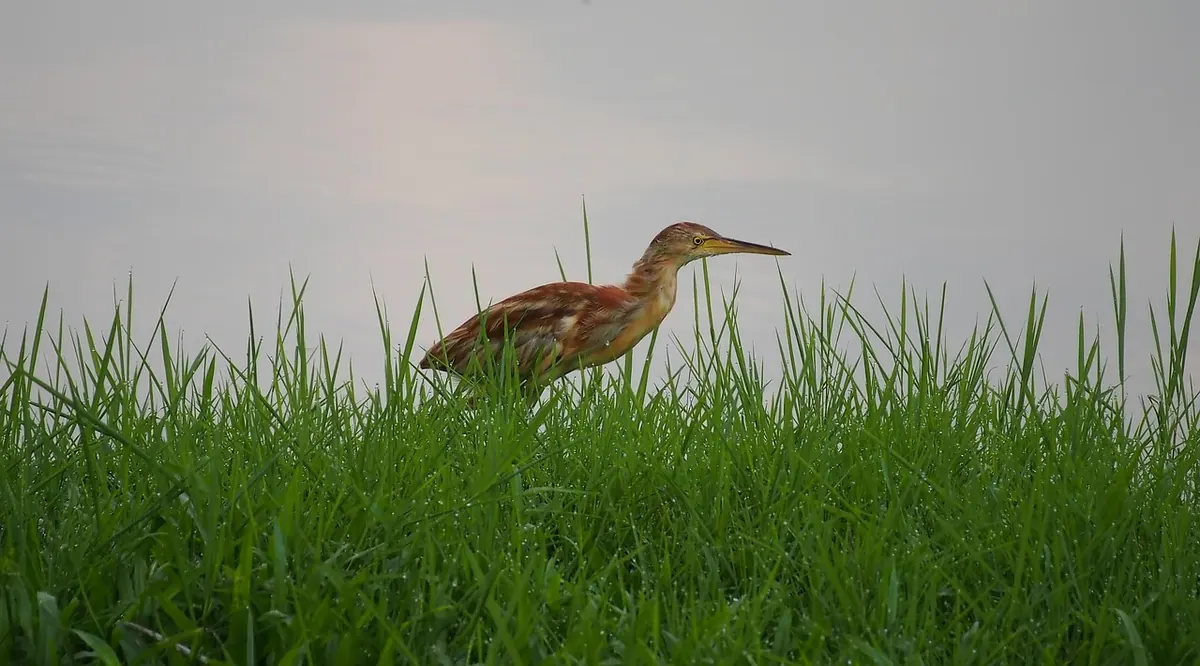
When the water freezes, bitterns move to the remaining open channels. Scan low and level with the reeds rather than upward, looking for a hunched, streaky shape that seems too tall for a heron. Dusk is the time for hen harriers and marsh harriers drifting in to roost, with short-eared owls hunting the rough grassland. Starling murmurations over reedbeds can be spectacular; note the approximate size and the time they go down.
February brings the first stirrings. On mild, damp nights, great crested newts begin moving towards breeding ponds, and common frogs may spawn early in the south-west. Listen at first light for the deep, hesitant boom of a bittern — a sound you feel in your chest before you hear it properly.
- Log: wildfowl counts by species, snipe and jack snipe, bittern sightings, harrier and owl roost numbers.
- Signs: footprints and runs in frosted mud, otter spraint on flat stones, nibbled reed stems.
- Conditions: ice cover, flood extent, direction and strength of wind.
Early spring: March and April
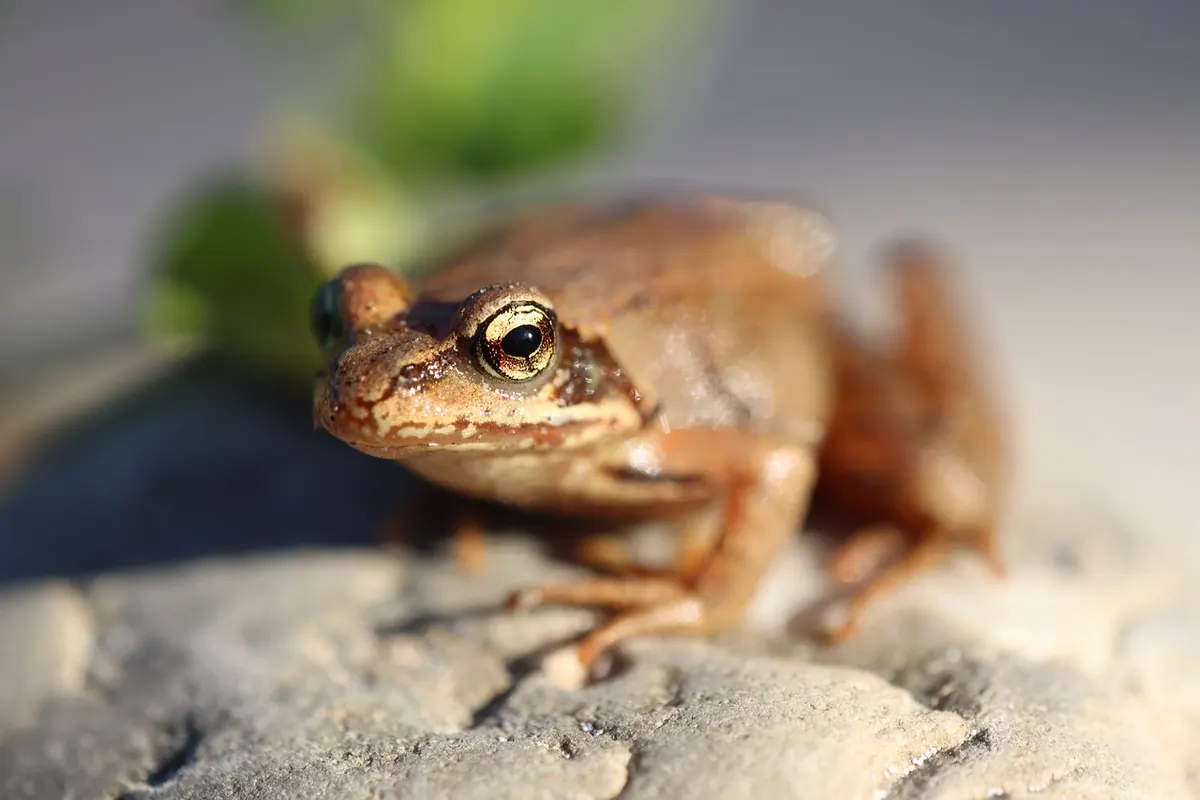
March belongs to the amphibians. Common frogs spawn first, then common toads arrive in numbers on mild, wet evenings, heading for traditional breeding ponds. Count spawn clumps as well as adults — a pond with twenty clumps tells you far more than a single startled frog. Great crested newts typically arrive later, from late March into April. Their breeding ponds and the animals themselves are protected by law in the UK, so watch from a distance and do not handle them.
Birdwise, the marsh wakes up fast. Lapwings display over wet pasture, snipe drum overhead, curlews bubble, and water rails squeal from cover. Chiffchaffs sing from the willows, sand martins and the first swallows appear, and marsh harriers start their sky-dancing, passing food between birds high up. Cuckoos usually arrive in mid to late April, followed closely by sedge and reed warblers, which fill the reeds with their chattering.
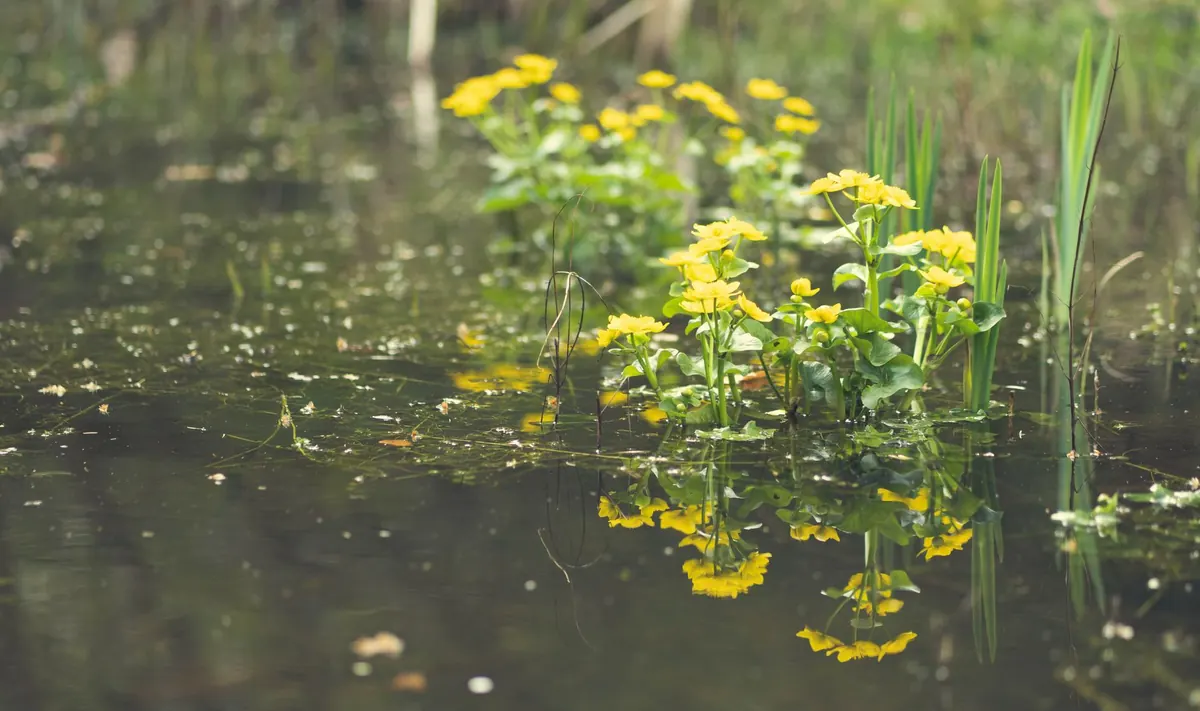
Look along dyke edges in April for marsh marigold and cuckooflower, orange-tip butterflies on the wing, and newt eggs folded neatly into the leaves of water plants.
Late spring: May and June
May is the loudest month of the year. Be on site before sunrise if you can; the reedbed at first light is a wall of sound, and it rewards quiet standing far more than walking. Hobbies hawk insects over open water, swifts scream overhead, and hairy dragonflies emerge early in the month. On wet grassland where devil's-bit scabious grows, marsh fritillaries fly from late May into June — declining and local, so note them carefully and keep your distance.
June brings the peak of the dragonfly and damselfly season. Emperor, four-spotted chaser and black-tailed skimmer patrol the pools, while azure, blue-tailed and large red damselflies work the margins and banded demoiselles favour flowing dykes. This is also the month for field signs:
- Water vole feeding stations — neat piles of stems nibbled at a clean angle, close to burrows in the bank.
- Otter spraint on prominent stones and tussocks, often with fish bones and scales glinting in it.
- Froglets leaving ponds in wet grass, usually after rain.
- Nesting evidence — food carries, alarm calls, and adults holding territory.
Summer: July and August
By July, water levels are dropping and the dykes are narrowing. That makes it a superb month for pond dipping and for checking water quality by eye: clear water with plenty of submerged plants and invertebrates is a good sign. Moulting ducks look scruffy and brown, grass snakes bask on tussocks, and purple loosestrife, hemp agrimony and water mint pull in gatekeepers, meadow browns and hoverflies. Daubenton's bats skim the open water at dusk; soprano pipistrelles work the tree lines.
August belongs to the big hawkers — southern, migrant and brown — and it is worth watching females dipping their tails into the water to lay eggs. Waders begin to return from the north: green sandpipers, common sandpipers, ruff and black-tailed godwits on muddy flashes. Sedge and reed warblers go quiet and slip away, and the first starling flocks start gathering over the reeds in the evenings.
Autumn: September, October and November
September is passage month. Curlew sandpipers and little stints work the mud, hobbies and the occasional osprey move through, and swallows roost in the reedbed at dusk in their hundreds. On northern and eastern marshes, the first pink-footed geese arrive towards the end of the month, and fungi push up along wet woodland edges.
October brings the winter ducks back — wigeon, teal and pintail, with goldeneye later — along with whooper swans and, in some years, the much scarcer Bewick's. Fieldfares and redwings appear with the first proper cold snap, starling murmurations reach their best, and bitterns return to favoured reedbeds, often flying low at dusk.
November is when the water rises again. Flooded grassland draws golden plover and lapwing flocks, snipe and jack snipe, and roosting harriers and short-eared owls. Reed cutting starts on many reserves; note where it happens and how the birds respond in the following weeks.
Keeping a marsh notebook: practical tips
A checklist is only as useful as the notes behind it. Record the date, time, weather and water level every visit, along with a grid reference. Count rather than tick where you can, even roughly, and write down behaviour: a bittern standing in the open is a very different record from one booming in deep cover. Photographs and phone recordings of calls are worth more than memory.
Visit at a similar time of day each month to make comparisons fair — early morning for birdsong, dusk for roosts and otters. Submit records to your county recorder, or through schemes such as iRecord and BirdTrack, so they do some good beyond your own notebook.
Finally, look after yourself and the marsh. Dyke edges are soft and undercut, cold water saps strength quickly, and you should never push into a reedbed alone in fading light. Cover any cuts, wash your hands before eating, and if you develop flu-like symptoms after time near water, see a doctor and mention where you have been. Keep well back from winter roosts, and put dogs on leads between March and July. The best records come from quiet, repeat visits — so pick a route, go often, and let the year write itself.
Photo: Laker / Pexels