Reedbeds vs. Sedge Beds: How to Tell These Two Wetland Habitats Apart
Stand on a boardwalk with a tall pale-green expanse on either side and the two sites can look like the same job: dense blades, water somewhere below, a wind that hisses rather than rustles. Step closer and they separate quickly. A reedbed is built by one plant and managed for a handful of specialist birds. A sedge bed is built by many, usually sits at the water's edge, and carries far more plant and insect life per square metre. Knowing which one you are standing in shapes everything else you might want to say about the site.
Start with the plant that builds the habitat
A reedbed in Britain is almost always dominated by common reed, Phragmites australis. It is a grass, and a big one: two to three metres in good conditions, with round stems, broad flat leaves and a single feathery plume at the top that opens purple-brown in late summer and bleaches to straw. Stands are near-monocultures, so the canopy sits at one height, like a field of wheat. In winter the dead stems stay upright, and the litter beneath lies flat and thick.
A sedge bed is a community, not a crop. Several species of Carex grow together, typically between knee and chest height. Greater pond sedge and lesser pond sedge form tall dense stands along ditch margins; greater tussock sedge builds the hummocks that make some fens so awkward to walk across; bottle sedge dominates more acidic flushes and bog edges. Flowers are small brown, green or blackish spikes rather than plumes.
Structure: a monoculture against a mosaic
Reedbeds are vertical and closed. Light rarely reaches the ground, the litter layer is deep, and the field layer below is bare except where cutting or open water has broken the canopy. That uniformity is the point: it is what bitterns and bearded tits need.
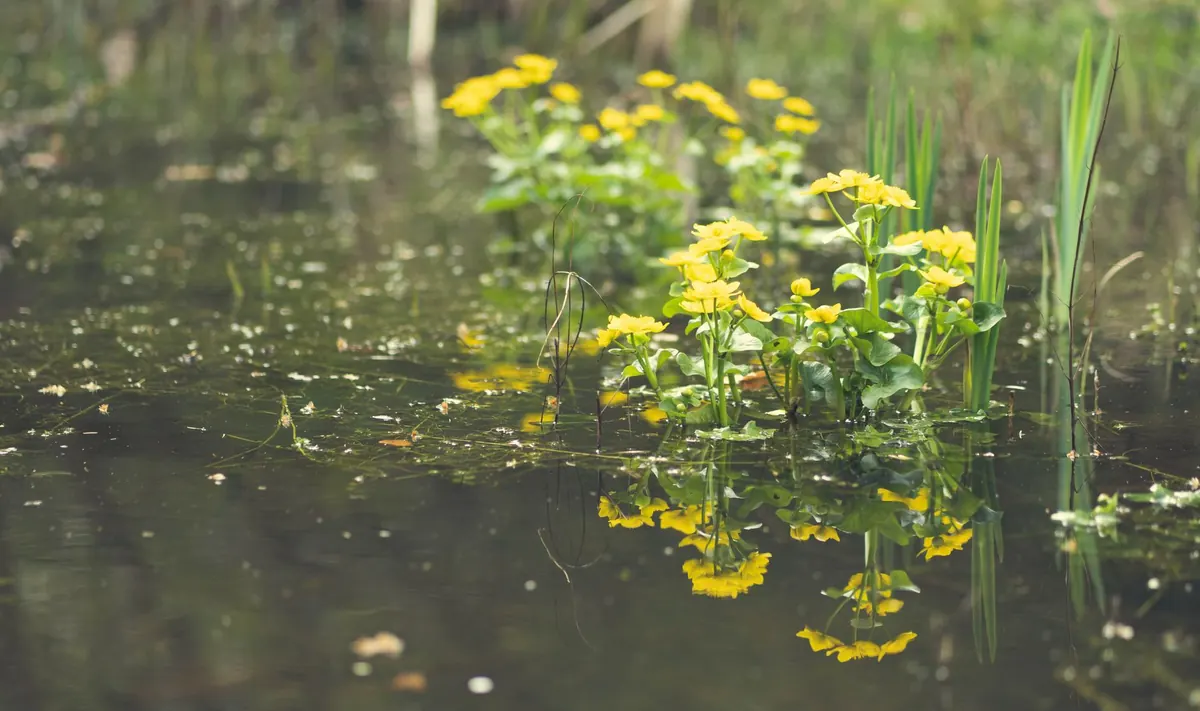
Sedge beds are hummocky and porous. Tussocks, runnels and open patches of wet peat break the sward, and a rich mixture of herbs grows between the sedges — marsh marigold, bogbean, ragged robin, meadowsweet, water mint, marsh bedstraw, orchids in the better sites. Crouch down in a sedge bed and, with luck, you can see a metre or two along the ground. Try that in a reedbed and you will see stems and shadow.
A quick field checklist
- Roll a stem between your fingers. Reed is round, hollow, jointed and crushes easily. Sedge is triangular in cross-section and solid, with a pithy centre.
- Look at the leaves. Reed leaves are broad, flat, grey-green and held along the stem. Sedge leaves are mostly in a basal fan, three-ranked, often keeled, with rough edges and a small flap — the ligule — where the blade meets the stem.
- Find the seed head. One feathery plume means reed. Several distinct spikes, some stalked and some clustered, mean sedge.
- Check the ground. Bare litter and standing water under a uniform canopy: reedbed. Tussocks, sedge litter and flowering herbs in a broken sward: sedge bed.
- Come back in winter. Reedbeds hold their straw-coloured skeleton upright; sedge beds collapse, leaving hummocks and a flatter, browner profile.
- Take gloves. Both cut. Reed edges are especially unforgiving.
Water, soil and position in the landscape
Reed is tolerant. It will grow in standing water up to about a metre deep, in damp mineral soil, and in mildly brackish conditions behind coastal walls. That flexibility is why reedbeds turn up in so many places, and why they can spread when a site gets wetter or loses its grazing.
Sedge beds are more particular. They want shallow water and wet peat, with the water table at or just above the surface for most of the year. Most sit where open water meets fen meadow: pool margins, ditch edges, spring-fed flushes, the wetter corners of grazing marsh. Some sedges tell you about the water chemistry — bottle sedge in acidic flushes, carnation sedge and its relatives in base-rich fen. Where a sedge bed dries out and nutrient levels rise, reed often moves in, and the site begins the slow drift towards willow and birch carr. Hydrology, more than anything else, decides which habitat you get.
Wildlife value: different specialists, not better or worse
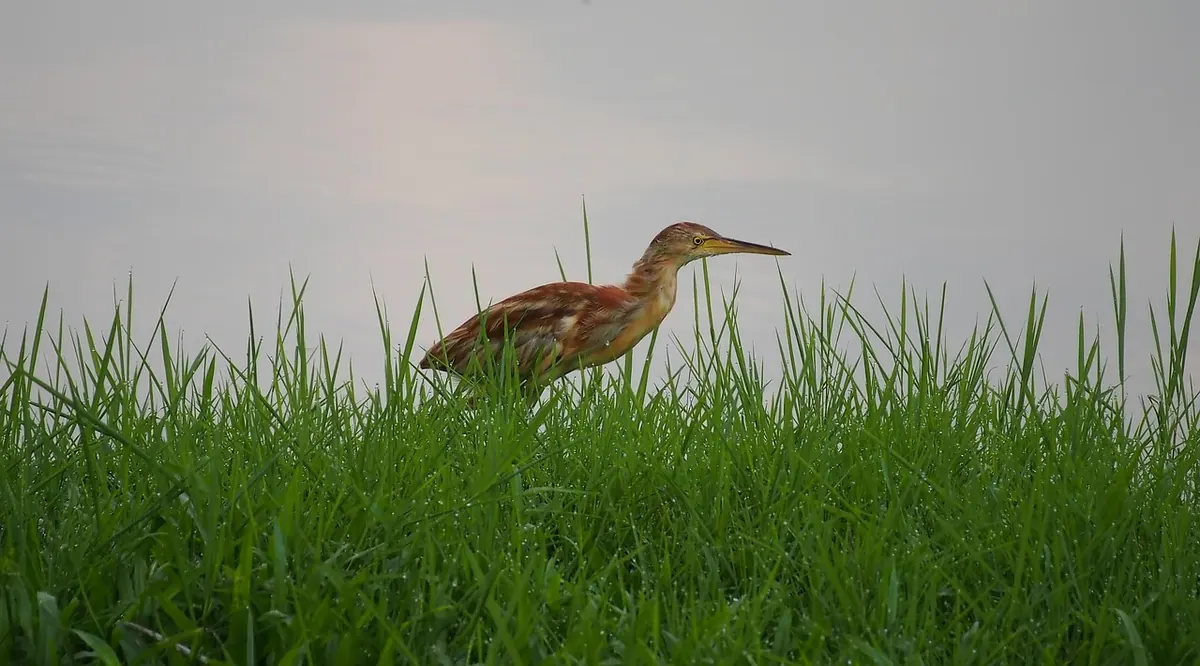
Lowland reedbeds are patchy and fragmented in Britain, which makes them disproportionately important for a small group of birds. Bitterns, marsh harriers, bearded tits, water rails and reed warblers all depend on them, along with reed beetles, the reed leopard moth and otters using the drier margins as lying-up sites.
Sedge beds carry the opposite kind of value: breadth rather than rarity. Breeding snipe, redshank, curlew and lapwing use wet sedge fen and its grazed margins. Grasshopper warblers and reed buntings nest in the tussocky edges, and the flush and fen invertebrates — dragonflies, craneflies, snails, moths — are often exceptionally rich. If you are recording a site, a sedge bed will usually give you a longer species list; a reedbed will give you the records that matter most regionally.
Management: two very different interventions
Reedbeds need cutting. Left alone, litter builds, the surface rises and dries, and scrub takes over. The usual approach is rotational cutting in blocks, so that a mosaic of ages exists across the site — young reed for bitterns, older, taller reed for bearded tits and for harvest. Cut in winter, after seed has set and while invertebrates are dormant, and either remove the crop or burn it on site to stop nutrients and litter accumulating. Keep the water levels high through winter and hold some shallow open pools for feeding. Where reed is cut for thatch, the crop can pay for the management.
Sedge beds want light grazing or an annual mow, and plenty of water. Cattle or hardy ponies grazing in late summer and autumn open up the tussocks and create the patchy structure that waders need; heavy stocking on soft peat poaches the ground and wrecks the hummocks, so keep numbers low and keep off in the wettest months. Mowing for hay or litter works on drier stands, with the cut taken late enough for ground-nesting birds to fledge. Above all, protect the water supply: keep ditches clear, resist drainage, and keep nutrient-rich runoff from surrounding farmland out of the peat. Sedge beds are also cut for thatch ridge material and bedding on some sites, which is a useful reminder that these are working habitats, not museum pieces.
Getting your eye in
Next time you are on a wetland reserve, make a short routine of it. Stop at the edge of the tall vegetation and read the height line — one level or many? Pick a single stem and roll it. Look down at your feet before you look up. Note the dominant plant by name if you can, and note the water level in the nearest ditch. Do that at three or four spots along a boardwalk and the difference between a reedbed and a sedge bed stops being a puzzle and becomes something you see immediately, the way you recognise a hedge from a line of trees.
Photo: Zaaruli / Pixabay